Trillium flowers are a breathtaking spring woodland bloom — but beautiful doesn’t mean harmless to pick!
These slow-growing wildflowers can take nearly a decade to flower, are vulnerable or protected in many regions, and even a single picked blossom can weaken or kill a plant!
Here you’ll learn why leaving trillium in place matters for ecosystems, obeying laws, and preserving these iconic harbingers of spring for future generations. 🌿
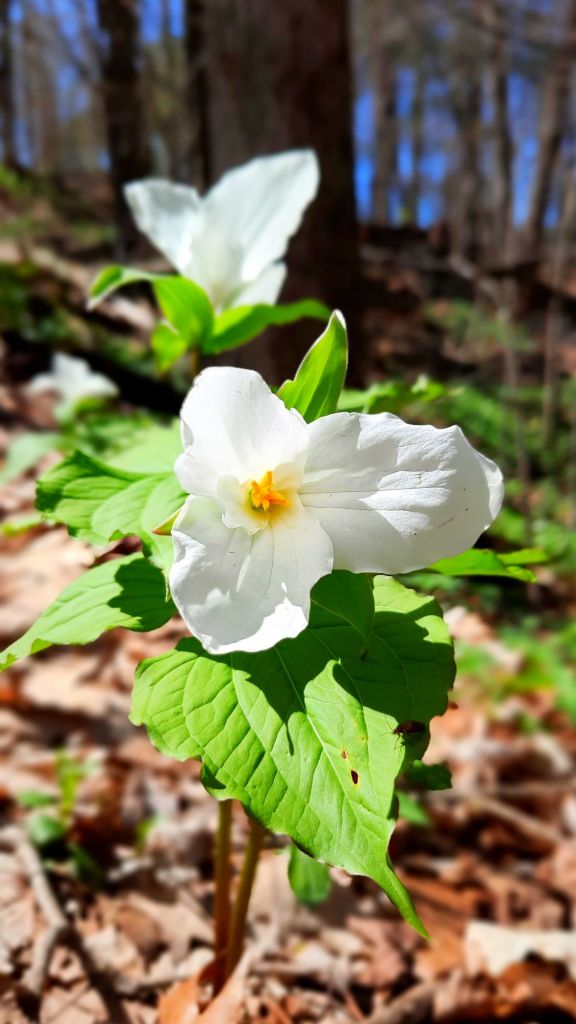
🌱 Why You Absolutely Shouldn’t Pick Trillium
1. Trillium Take Years to Mature
These spring wildflowers don’t bloom overnight — most species take 7-10+ years from seed to reach flowering age. Removing a bloom isn’t just cosmetic: it robs the plant of its only opportunity to reproduce that season.
2. Picking Harms the Plant’s Survival
When you pick a flower you remove its capacity to photosynthesize, gather energy, and make seeds. This can weaken or even kill the plant outright — a serious impact for a species that grows slowly and sparsely.
3. Slow Reproductive Cycle
Each trillium produces just one seed pod per plant per year, and that seed relies on ants to carry it to a safe place to sprout. Fewer flowers = fewer seeds = shrinking populations.
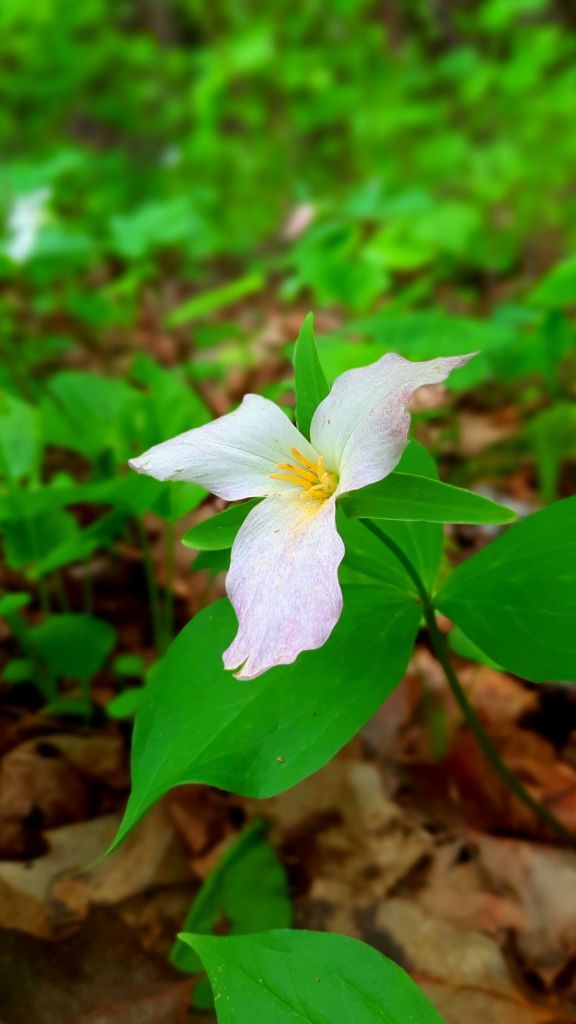
⚖️ Legal Protections You Should Know
Trillium protection laws exist in many regions in New York and several other states, picking trillium (especially certain species like red or drooping trillium) is illegal. These protections are in place to conserve vulnerable and endangered plant populations.
Even where there isn’t a specific law, park rules and local regulations often prohibit removing any wild plant — meaning picking trillium can still get you cited.
🌎 Conservation Status: Not All Trillium Are Common
Not all trilliums look rare at first glance — many species appear abundant in the woods — but wide ranges can mask underlying risks.
A comprehensive assessment found that nearly a third of trillium species or varieties are threatened or imperiled across North America due to habitat loss, invasive species, overbrowsing, and other pressures.
This means your simple act of picking a flower can contribute to a much bigger ecological decline.
🐜 Wildflower Ecology: How Trillium Fit Into the Forest
Seeds have a fascinating journey: Each trillium seed has a sweet coating that attracts ants. Ants take the seeds underground, eat the coating, and leave the seed to sprout — a mutualistic relationship vital for trillium survival.
Removing blooms disrupts this entire seed cycle.
📸 If You Really Love Trillium, Do This Instead
✅ Take photos — beautiful images help raise awareness without harming plants.
✅ Share ethically — encourage others on Instagram, Pinterest & TikTok to look but not pick.
✅ Support native plant conservation — link to nonprofit work, seed-propagation programs, or native nursery alternatives.
🧠 Did You Know? Trillium’s Three Is Special
Part of their charm and naming is the triad structure — three petals, sepals, and leaves — which has symbolic meaning in culture, ecology, and even herbal history. (This makes them culturally significant in addition to ecologically important.)
If you love trillium, let them bloom where they belong. Take only photos, leave only footprints, and help ensure these wildflowers thrive for generations of hikers and nature lovers to come. 💖
Follow me at:




 Oh, Kae.
Leave a comment